
Filter analysis
Analysing replaced oil filters is a very effective and inexpensive way to determine the condition of a gearbox. We have developed the method over more than 15 years and have unique experience with it.
We can examine the in-line filter, the off-line filter or, ideally, both. Most wear particles are usually found in the in-line filter because most oil flows through it. On some turbines, however, the off-line filter pump draws from the very bottom of the gearbox, so more particles are often found there.
The analysis is done in the workshop and reported with microscope photos, so the size and amount of particles can be seen. The conclusion gives a wear-rate category and a recommendation for further operation.
Following the wear rate
Most gearbox damage is bearing wear. It starts as small cracks in the raceways, where small pieces of metal flake off. Over time the wear rate and the number of particles increase. In a slow-running bearing, such as a planet bearing, wear develops over 2 years or more. Fast-running bearings wear faster.
The analysis is most valuable when done right after the filter change, and when the filters from every change are examined. You then get a picture of the wear rate every six months and can see when the wear began.
When to choose a filter analysis
- When you suspect something abnormal in the gearbox. It is a quick and cheap way to see if a worn bearing is the cause.
- When large magnetic objects or particles are found in the gearbox.
- On turbines without online vibration monitoring (CMS), filter analysis is the most effective way to determine gearbox condition.
- With an extended consulting agreement, we examine all filters as part of the agreement.
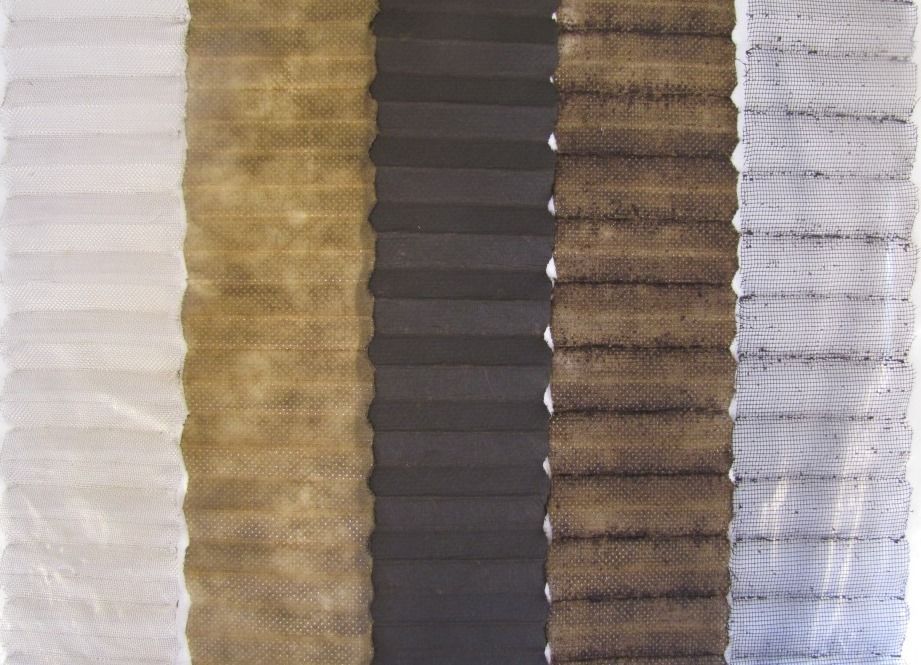
The cut-out piece separated into its layers 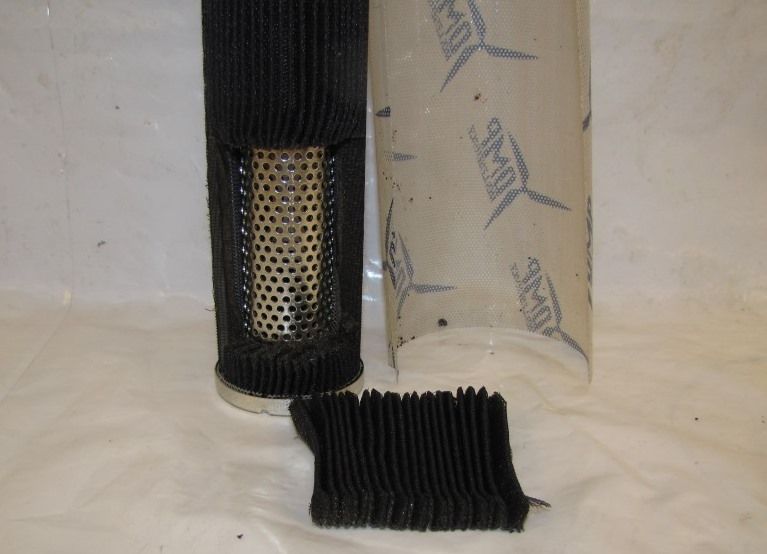
In-line filter with a piece cut out 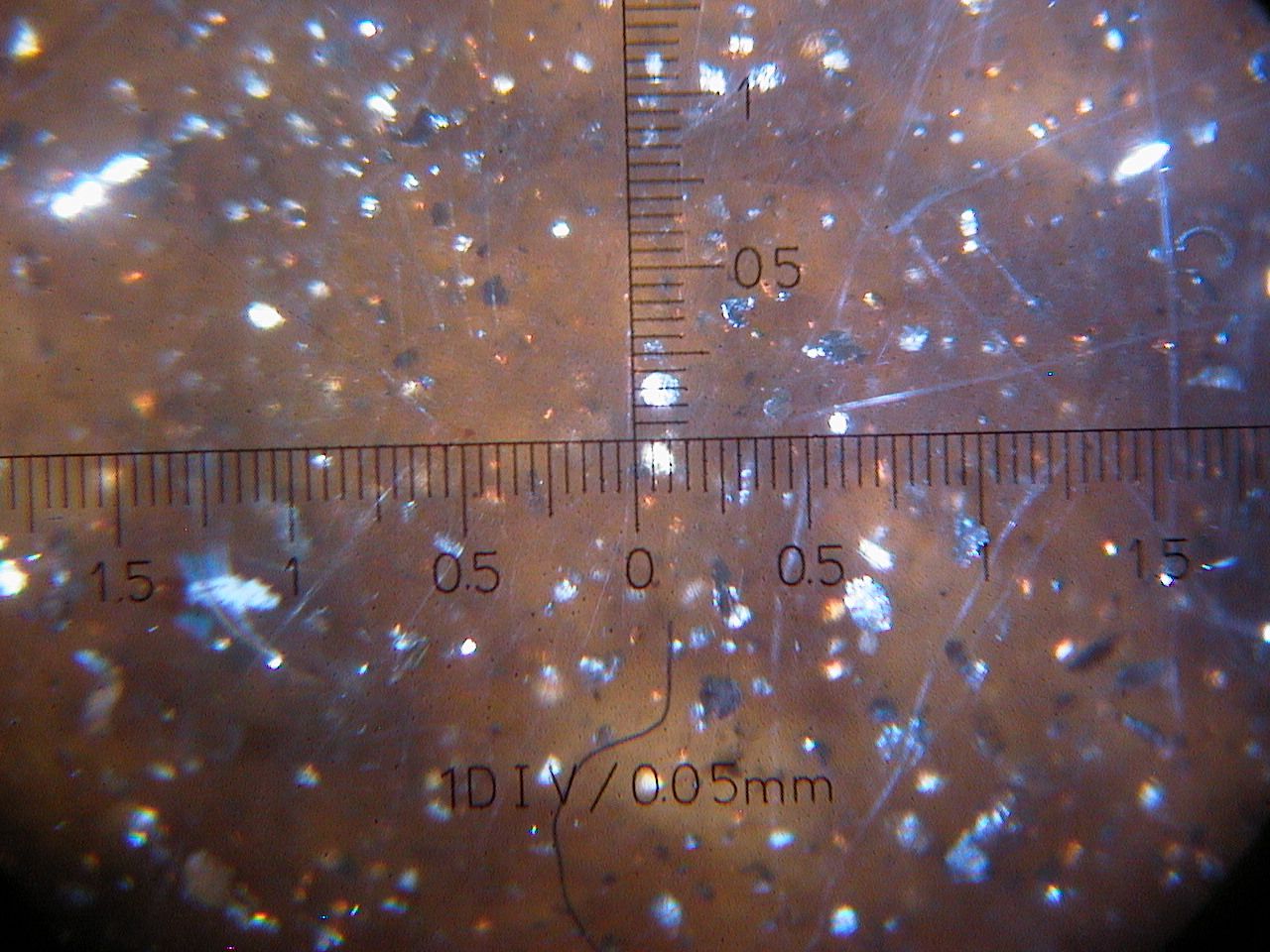
Coarse filter cloth with larger wear particles 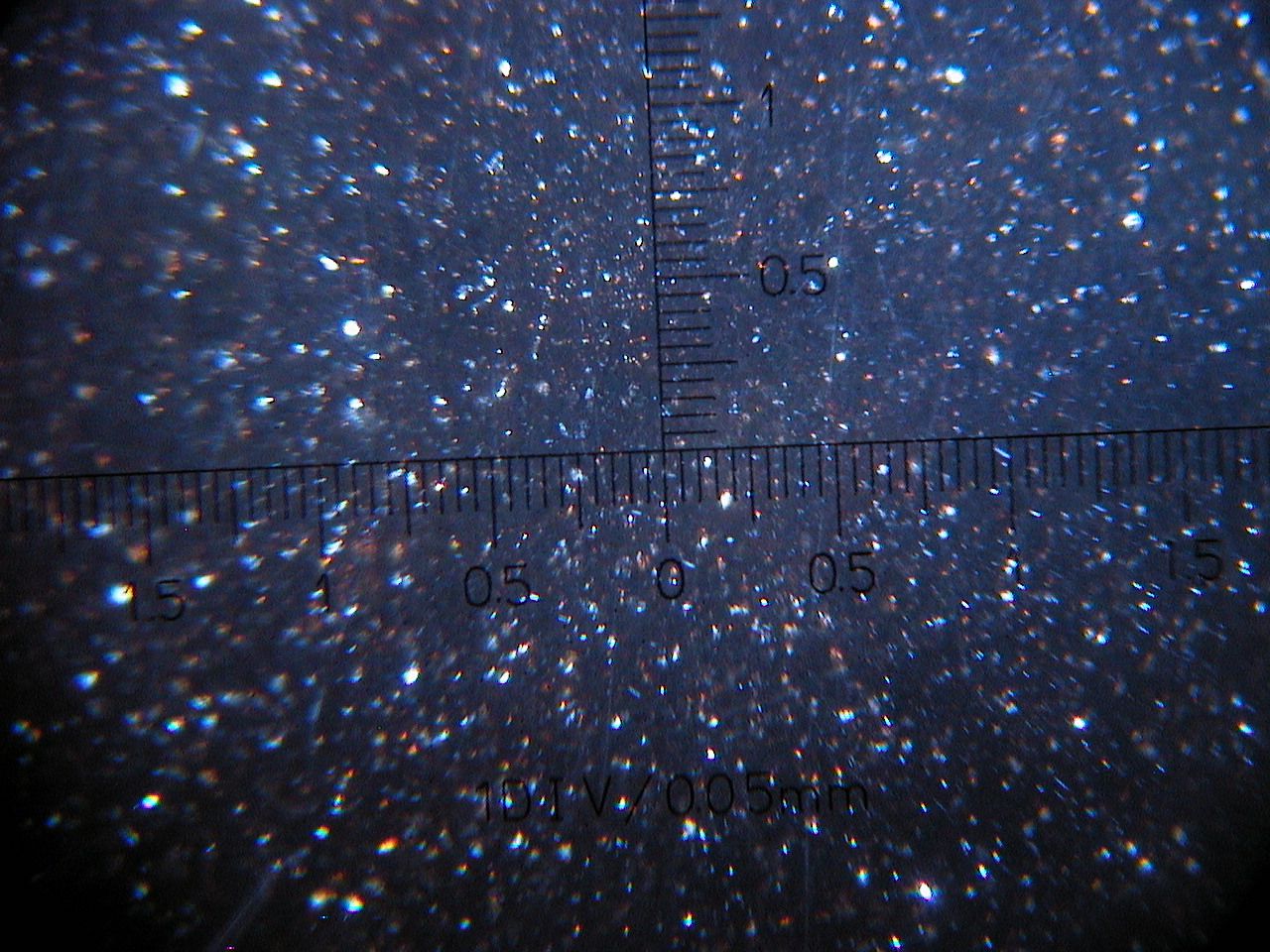
Fine filter cloth with many small metal particles
Other services
 Wind turbine inspectionStandard visual inspection with a report – for warranty expiry, purchase and sale.Standard inspection with report
 Handover inspectionAn impartial review when the turbine passes from manufacturer to owner.Impartial review at handover
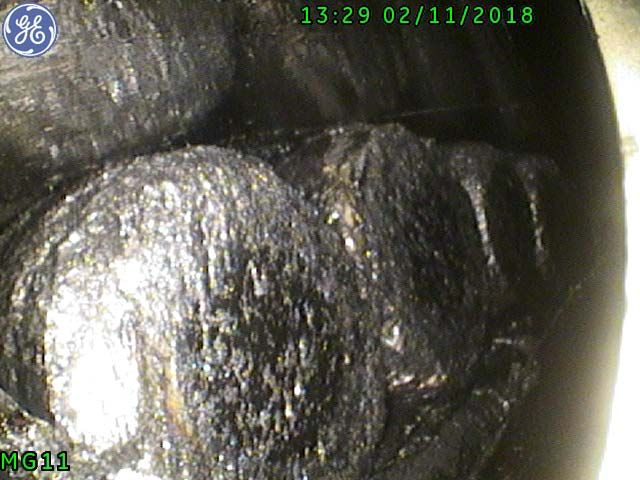 EndoscopyWe look inside the gearbox without taking it apart.The gearbox seen from inside
 Insurance case supportWe find the real cause of damage together with the loss adjuster.The real cause of damage
 High-voltage operationApproved operator for the turbine’s transformer and HV equipment.Approved HV operator
Need a consultant?
Call us for advice, or use the duty phone if a turbine is down.