
Back to all services
Wind turbine inspection
A standard inspection consists of an inspection of the turbine and a report that gives a true picture of its condition.
When to choose a standard inspection
The report can serve as documentation when the turbine’s warranty expires, or when the turbine is bought or sold. It can also be the starting point for repairs, or simply a status of the turbine’s condition.
What the inspection covers
The inspection is visual and covers at least:
- Foundation: surface cracks and the seal at the grouting or embedded section.
- Tower: damage inside and out, bolted joints, access and cleanliness.
- Ladder, fall-arrest wire/rail, safety equipment and signage.
- Cables in tower and nacelle: wear, cracks, ageing and fastening.
- Nacelle: rust, bolted joints, welds, tightness and wear.
- Blades: cracks and damage on the outside, seen through binoculars from the nacelle and/or the ground.
- Hub: only if access is safe.
- Main bearing: where possible.
- Gearbox: inspection covers are removed, and the bottom can be checked for particles with a magnet.
- The generator terminal box is opened for inspection.
- Yaw system: lubrication, wear, rust and sliding pads.
- Data from the turbine controller is read as needed.
- Tests of start and stop, yaw system, brake, vibration guard and emergency stop. If it is safe, the turbine is test-run from the nacelle.
Report
The report contains relevant values from the controller, identification of the main components and a description of the observations. All abnormal findings are documented with photos.
The conclusion lists the abnormal findings, categorises them and gives any recommendations for further operation.
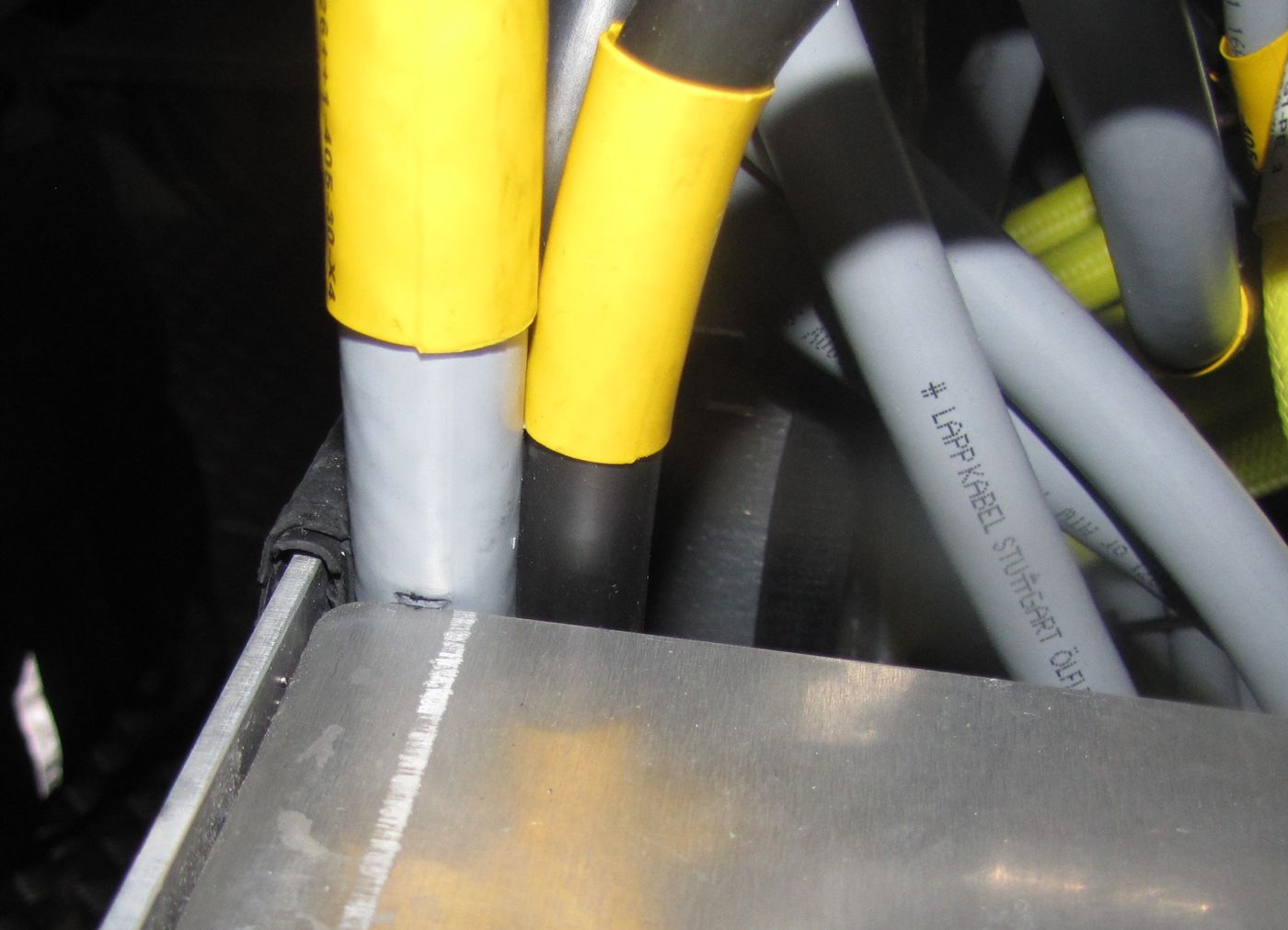
Worn cables 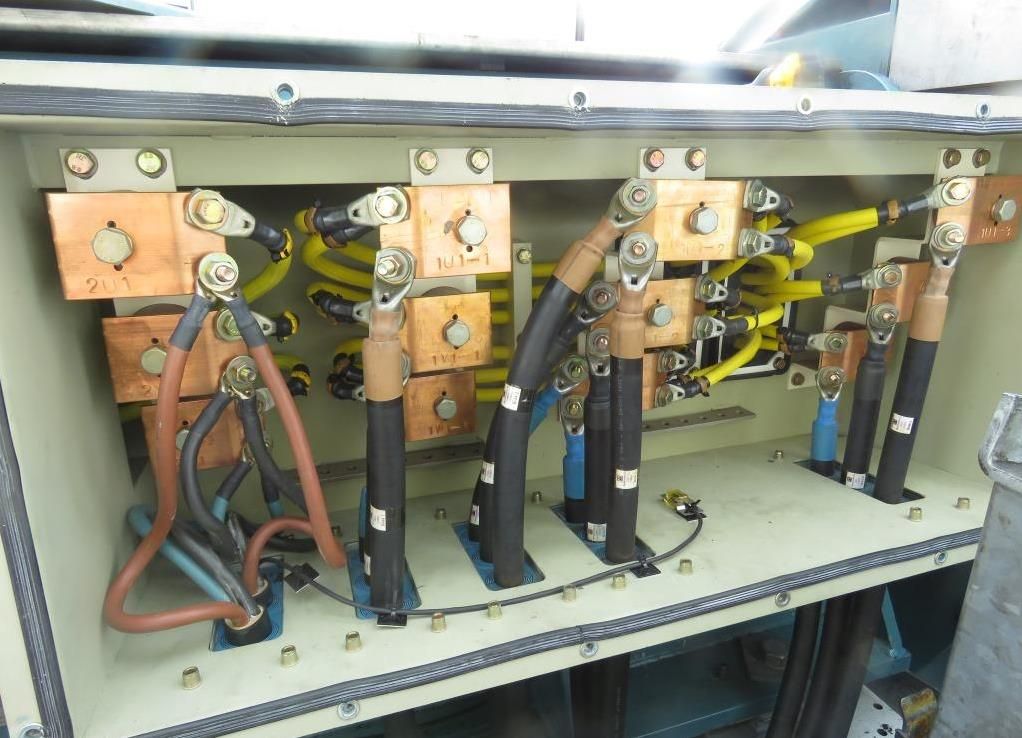
Checking the generator terminal box
Other services
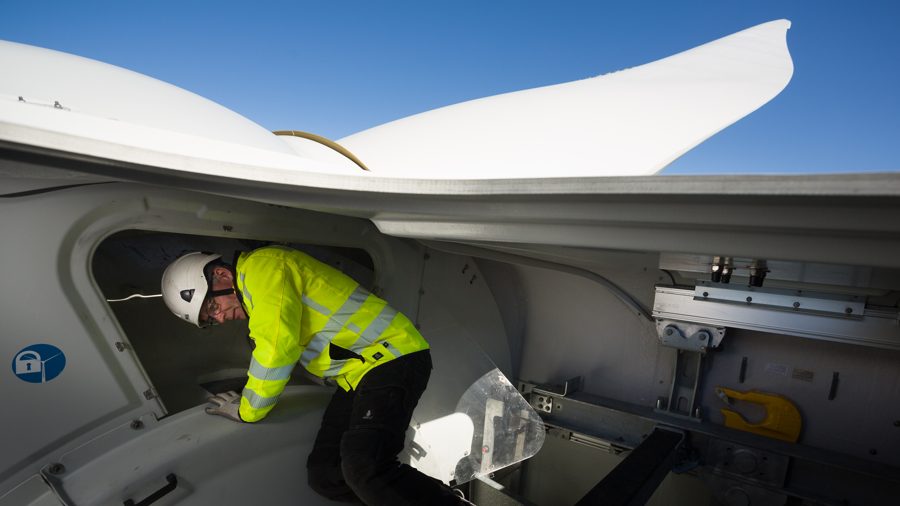 Handover inspectionAn impartial review when the turbine passes from manufacturer to owner.Impartial review at handover
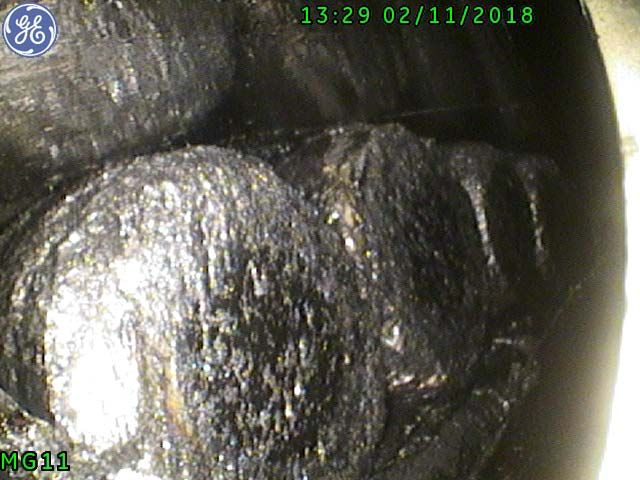 EndoscopyWe look inside the gearbox without taking it apart.The gearbox seen from inside
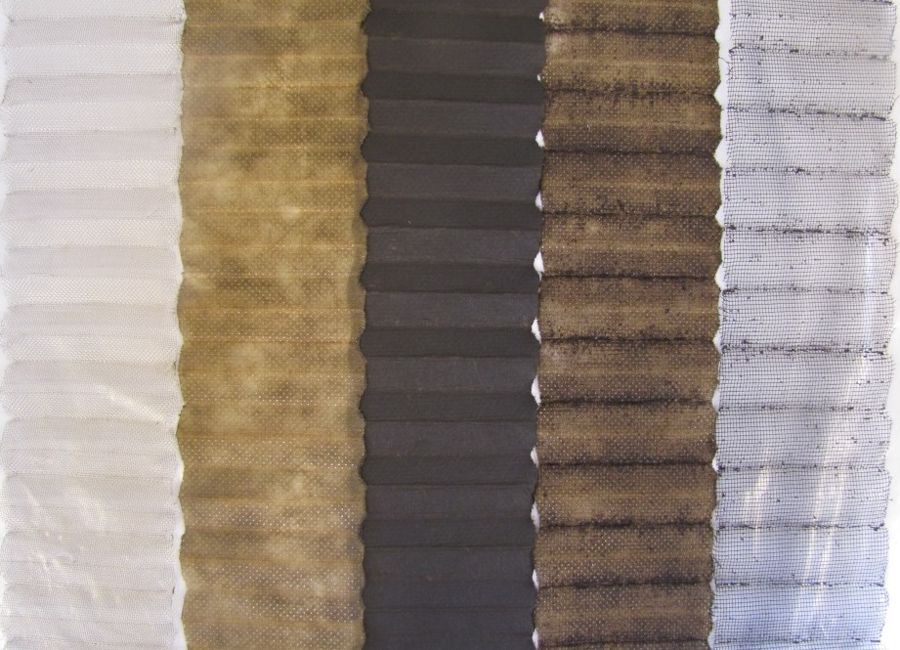 Filter analysisOil filter analysis shows gearbox wear – cheap and precise.Oil filters reveal gearbox wear
 Insurance case supportWe find the real cause of damage together with the loss adjuster.The real cause of damage
 High-voltage operationApproved operator for the turbine’s transformer and HV equipment.Approved HV operator
Need a consultant?
Call us for advice, or use the duty phone if a turbine is down.